
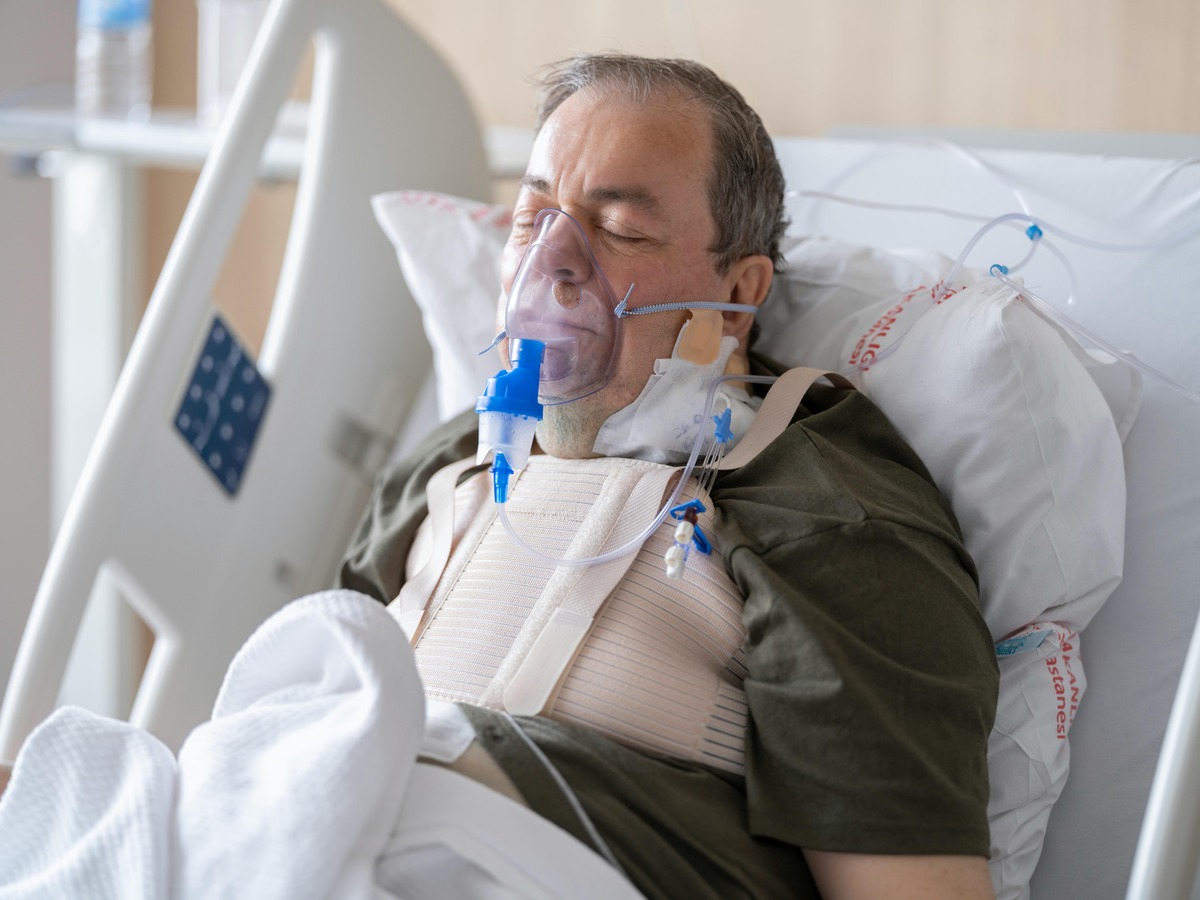
Cancer Emergencies & Resuscitation

- 4 Sections
- 6 Lessons
- 1 Quiz
- 72h 5m Duration
Just start
Learn your first tune
Learn a bass line
Quiz
Cancer Emergencies & Resuscitation is a clinically focused course designed to equip healthcare professionals with the knowledge, assessment skills, emergency-response principles, and resuscitation competencies required to recognize and manage acute, potentially life-threatening complications in patients with cancer.
Cancer patients may deteriorate rapidly because of the malignancy itself, treatment-related toxicities, infection, metabolic abnormalities, bleeding, thrombosis, organ dysfunction, or complications of surgery and systemic therapy. Early recognition and timely intervention are therefore essential to improving outcomes.
The course provides a structured approach to rapid assessment, clinical deterioration, emergency stabilization, escalation of care, and resuscitation, while addressing major oncologic emergencies encountered across inpatient, outpatient, infusion, emergency, and palliative-care settings.
Core topics include febrile neutropenia and sepsis, tumor lysis syndrome, hypercalcemia of malignancy, spinal cord compression, superior vena cava syndrome, malignant airway obstruction, raised intracranial pressure, seizures, acute bleeding, thromboembolic disease, respiratory failure, cardiac emergencies, metabolic disturbances, chemotherapy and immunotherapy-related emergencies, anaphylaxis, extravasation, and oncologic shock.
The resuscitation component introduces ABCDE assessment, basic and advanced life-support principles, recognition of cardiac arrest, airway and breathing emergencies, circulation support, defibrillation principles, post-resuscitation care, and team-based emergency response. The course emphasizes that interventions must be performed according to current clinical guidelines, institutional protocols, available resources, and the learner's professional scope of practice.
Particular emphasis is placed on early warning systems, clinical escalation, emergency communication, emergency equipment readiness, medication safety, documentation, goals of care, and multidisciplinary coordination.
Want to submit a review? Login
Related Courses

Palliative & Supportive Oncology
Foundations of Supportive Oncology
Comprehensive Symptom Assessment
Cancer Pain Management
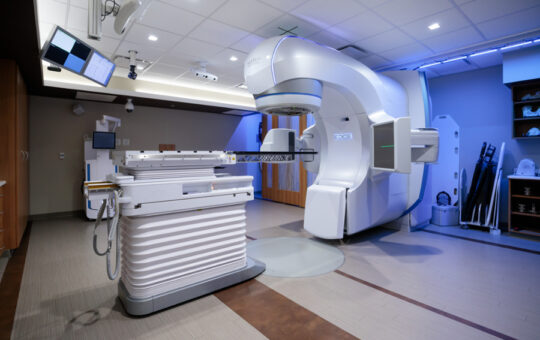
Radiation Oncology
Radiation Physics
Radiation Sensitivity & Tumor Biology